

SECOND-GEN
Why Second Generation Leaders Matter
by Bodo Park and Kelly Seely
Sometimes the most important insights surface in conversations that feel unfinished or even messy. Not because clarity is lacking, but because something real is being named for the first time.
Recently, in the middle of a wide ranging discussion about mission, leadership, and the future of church planting in Europe, a simple metaphor brought surprising clarity. A tree.
What emerged was not a new ideology, but a way of seeing what is already happening.
We began to notice patterns that many leaders intuitively sense but rarely articulate. First generation churches often carry a strong instinct toward preservation. Language, culture, and community are guarded carefully, not out of resistance to mission, but out of necessity. Survival comes first. Mission often happens within familiar boundaries.
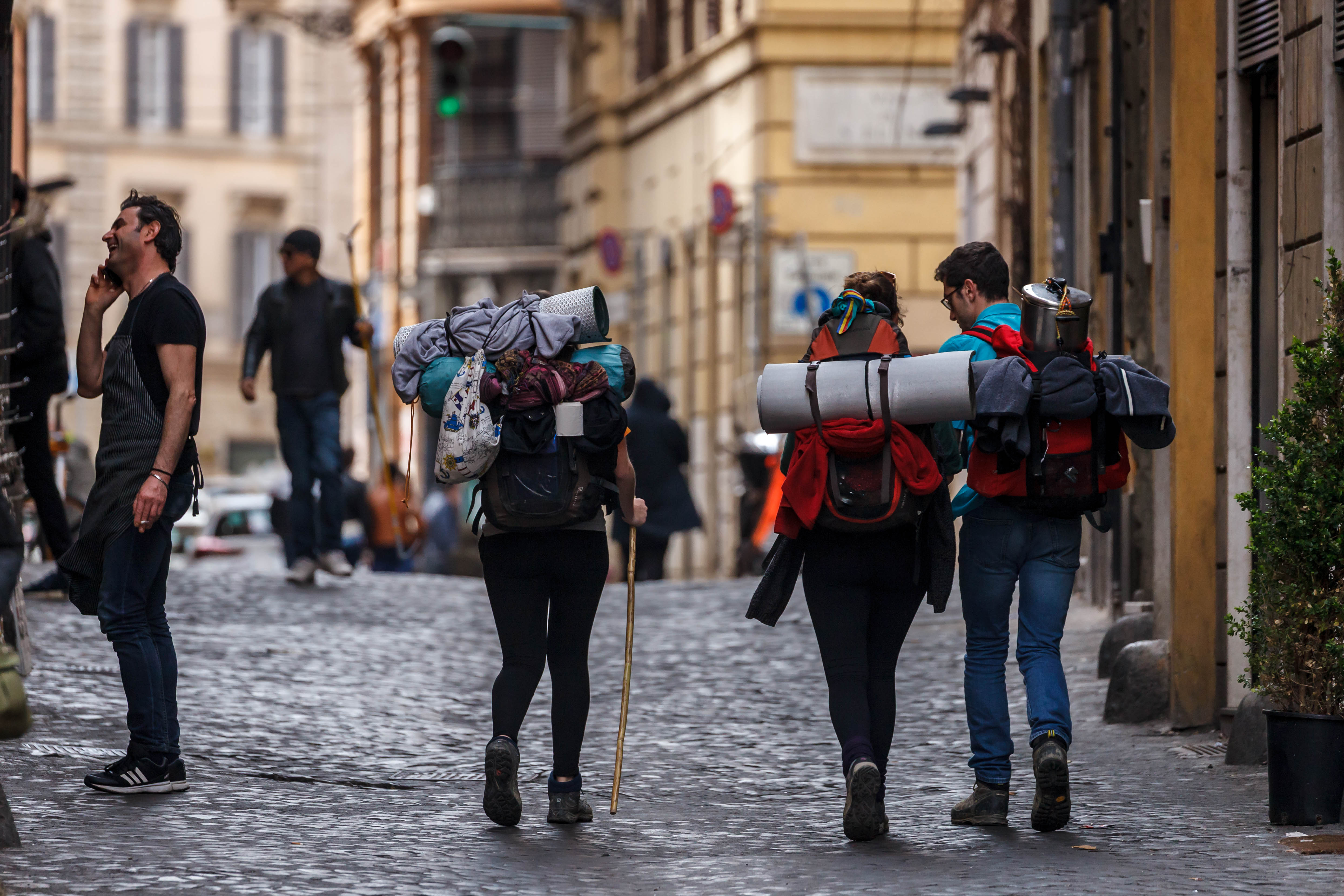
Second generation leaders, however, tend to live differently. Not because they are more spiritual or more committed, but because they have grown up translating their entire lives. Home and school. Family and society. Heritage and future. They have learned to move between worlds long before anyone called it mission.
Local Europeans vary widely depending on their formation. Some have grown up in monocultural settings and have rarely needed to cross cultural lines. Others have been shaped in global cities, diverse schools, and multicultural neighborhoods. Formation matters more than ethnicity.
This led to a crucial insight.
Second generation leaders are not a niche.
They are often the most naturally contextualized people for global cities.
Not because they are superior.
But because they have practiced contextualization every day of their lives.
This is not ideology.
It is sociology plus mission.
Naming this reality, however, immediately surfaces real tensions. And those tensions deserve to be addressed openly.
The first tension is often unspoken but strongly felt.
Are we replacing local Europeans? Are they being sidelined?
This concern is understandable. But it misunderstands what is actually being said.
The emphasis on second generation leaders is not about exclusion. It is about formation. It does not deny the calling or effectiveness of local Europeans. It simply recognizes that in multicultural cities, certain life experiences tend to produce greater ease in cross cultural engagement.
This does not diminish anyone. It clarifies where particular strengths often emerge.
There are many local Europeans who have grown up in multicultural contexts and function with the same ease and sensitivity. They belong in this conversation fully. The question is not where someone is from, but what kind of world they have been formed in.
The second tension runs even deeper.
Old paradigms versus present reality.
Much of European church planting strategy was developed in a very different context. More stable populations. Clear cultural boundaries. Slower change. These models were not wrong. They were faithful in their time.
But cities have changed faster than our paradigms.
Global migration. Cultural hybridity. Post Christian assumptions. Multilingual neighborhoods. These realities are not exceptions anymore. They are the norm in many urban centers.
Recognizing this is not rebellion. It is contextual faithfulness.
What worked before may still work in some settings. But it is no longer sufficient on its own. Adding new lenses does not dishonor the past. It prepares us for the present.
The third tension is more pastoral and perhaps the most important.
Discernment versus decisiveness.
There is a temptation in mission conversations to push people quickly toward outcomes. Decisions. Commitments. Timelines. But what became clear through the data and the discussion is that many people are not resisting mission. They are discerning it.
They are praying. Exploring. Learning. Paying attention to what God is doing.
The posture that serves this moment best is not pressure, but accompaniment.
Nurture discernment rather than force decisions.
This does not slow mission. It deepens it.
Healthy pathways do not extract commitments. They create space for people to recognize God’s leading with clarity and peace. Short term experiences can help. Training can help. Relationships matter most.
This has implications not only for how we mobilize, but for how we lead.
In moments like these, leadership requires holding several roles at once. Interpreting data so people can see what is actually happening. Translating vision for those shaped by older frameworks. Guarding posture so the work remains pastoral rather than reactive.
That is not light work. But it is necessary work.
And it comes with an important freedom. We do not need to perfect the explanation before moving forward. We are allowed to name what we see, test it humbly, and walk with God as He continues to guide.
Eventually, we still have to see what God is doing and move with Him.
This is not avoidance. It is leadership maturity.
For Disciples Without Borders, this means continuing to invest in people who are already living between cultures. Not because they are the only ones God uses, but because they often represent a strategic intersection of formation and context. It also means serving churches and leaders who are asking how to become healthier, more outward facing, and more faithful in the cities they love.
The future of mission in Europe will not belong to one group. But it will require leaders who know how to listen, translate, and walk patiently with others.
That work has already begun. We are simply learning to name it.
This article is based on internal analysis and observed leadership conversations within the Disciples Without Borders network