

SENDING
Europe as Sender and Receiver: Rediscovering Mission in a Multicultural Continent
Europe is often described primarily as a mission field. Post Christian. Spiritually fragmented. In need of renewal from the outside. At the same time, Europe is one of the most globally connected and culturally diverse regions in the world. These two realities exist side by side, and together they tell a far more complex and hopeful story.
Europe is not only a place that needs to receive the gospel anew. Europe is also a place uniquely positioned to send. The question before us is not whether Europe is still relevant to global mission, but whether we are willing to see what is already present and steward it well.
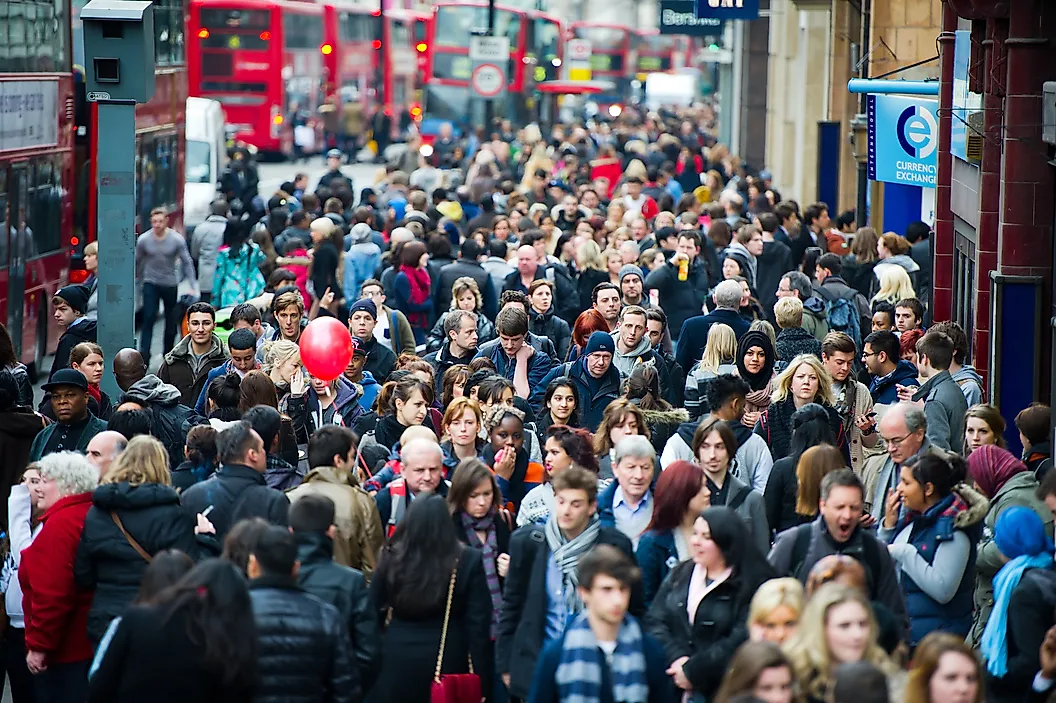
One of the most defining realities of Europe today is its multicultural character. The nations are no longer far away. They are here. Cities across Europe are shaped by people from every part of the world. Many churches are already multicultural by default, whether they have named that reality or not. Second and third generation believers, formed at the intersection of cultures, languages, and identities, are emerging as some of the most strategically placed leaders for mission in our time.
These men and women often live between worlds. They understand Europe from the inside while carrying deep relational, cultural, and sometimes linguistic connections to other regions of the world. This is not a challenge to overcome. It is a gift to be recognized. In many cases, they are already doing the work of cultural translation that mission requires. What is often missing is not willingness, but clear pathways and intentional formation.
This is where Europe’s identity as both sender and receiver becomes critical.
Healthy mission ecosystems are not built on one directional flow. They are built on reciprocity. Churches learn to receive with humility while also taking responsibility to send with clarity and courage. Receiving outside help is not a sign of weakness. At the same time, long term health requires stewardship. Maturity comes when churches no longer outsource vision or initiative, but actively participate in God’s mission from where they are.
Short term missions play an important role in this recovery, but only if they are rightly understood.
Too often, short term missions are treated as one time experiences designed primarily to inspire or expose participants to global need. While inspiration has its place, it is not enough. Within Europe, short term missions carry a much deeper potential. They can function as shared learning environments where churches from different contexts come alongside one another, serve together, and grow in mutual understanding.
Within Europe, short term missions are not primarily about distance. They are about depth. They create space for discipleship across cultures that are geographically close but historically and socially complex. They allow churches to practice sending and receiving in tangible ways. They help believers discern calling without pressure and develop capacity for longer term engagement.
For second and third generation diaspora believers in particular, these spaces can be formative. They offer opportunities to integrate faith, identity, and calling in community. They normalize cross cultural ministry not as an exception, but as a natural expression of following Jesus.
At the same time, international partnerships remain an important part of the picture. Partnerships with churches and organizations in the United States and elsewhere are a genuine gift. They bring encouragement, perspective, and shared wisdom. But they work best when they come alongside a clear European vision rather than replacing it.
International partnerships should be catalytic, not foundational. They strengthen what already exists. They support sending that is rooted locally and shaped contextually. When Europe depends on outside partnerships to define its mission identity, it remains fragile. When Europe leads with clarity and invites others into that vision, partnerships become a source of strength rather than dependency.
What is encouraging is that this shift in thinking is already underway. Across conversations with global mission organizations, including the International Mission Board and Greater Europe Mission, a shared realization is emerging. The future of mission in Europe will not be built by importing solutions, but by strengthening sending pathways from within. The focus is moving from isolated events to integrated formation. From inspiration to infrastructure. From programs to people shaped for long term faithfulness.
At Disciples Without Borders, we are convinced that Europe’s multicultural reality is not a secondary issue, but central to God’s mission today. The vision is not simply sending from Europe to elsewhere, nor only receiving from outside. The vision is sending and receiving from anywhere to everywhere. Churches learning to send across borders. Leaders formed to move between cultures. Communities shaped to welcome, train, and release people into God’s global mission.
The question facing Europe is no longer whether it can send. The real question is whether we will build the structures, relationships, and cultures that allow sending and receiving to become normal again. When Europe embraces its identity as both sender and receiver, rooted in its multicultural reality and shaped by the nations already among us, it does not diminish its need. It matures into its calling.
This is not about independence. It is about stewardship. And stewardship is the soil in which sustainable mission grows.
Becoming Senders and Receivers Together
This vision does not belong to one organization, one country, or one stream of the global church. It requires churches and ministries willing to learn how to send and receive together with humility, clarity, and shared responsibility.
Through the Senders and Receivers Network, Disciples Without Borders connects churches and ministries across Europe and beyond who desire to participate in this kind of reciprocal mission partnership. The network exists to help communities move from isolated efforts to shared pathways for training, sending, and receiving workers across borders.
If you are part of a church or ministry that senses this calling and wants to explore what it means to become both a sender and a receiver, you are invited to learn more and join the conversation.
👉 Explore the Senders and Receivers Network: