SENDING

The Church as a Mission Field

by Bodo Park and Kelly Seely

Many pastors and church leaders sense a tension they struggle to name. On the surface, much is going well. People are growing in faith. Small groups or house churches are forming. Structures are holding. And yet questions remain about long term health. Not only whether a church can continue, but whether it will remain spiritually alive, outward looking, and faithful to its calling over time.


One of the most clarifying insights we have come to is this.


The church is first and foremost a mission field. Not in an organizational sense, but in a spiritual one. A place where people are formed, where faith matures, and where discipleship takes root.


In such an environment, some people will discern a clear calling to global mission or church planting. When that happens, it is right to send them. But not every season of spiritual growth leads outward in that way. Many believers remain rooted in the local church. They carry its DNA, shape its culture, and help form the next generation of leaders.


Both outcomes matter. And both serve a larger purpose. Becoming a healthy church that multiplies.


For many leaders, multiplication is still understood primarily in structural terms. Another group. Another house church. Another congregation. These are important expressions of growth, but they are not the whole picture. Multiplication begins deeper than structures. It begins with vision, values, and shared convictions.


Multiplication also includes helping other churches and leaders learn how to become healthy themselves. Not by exporting a model, but by sharing what has been learned through lived experience, tested practice, and theological reflection. It is about offering pathways, not prescriptions.


For this to happen, every multiplying church needs a larger vision into which its own local vision is intentionally embedded. A vision that is only inward facing, even if well intentioned, will eventually reach its limits. Long term health requires locating the local story within God’s larger mission.


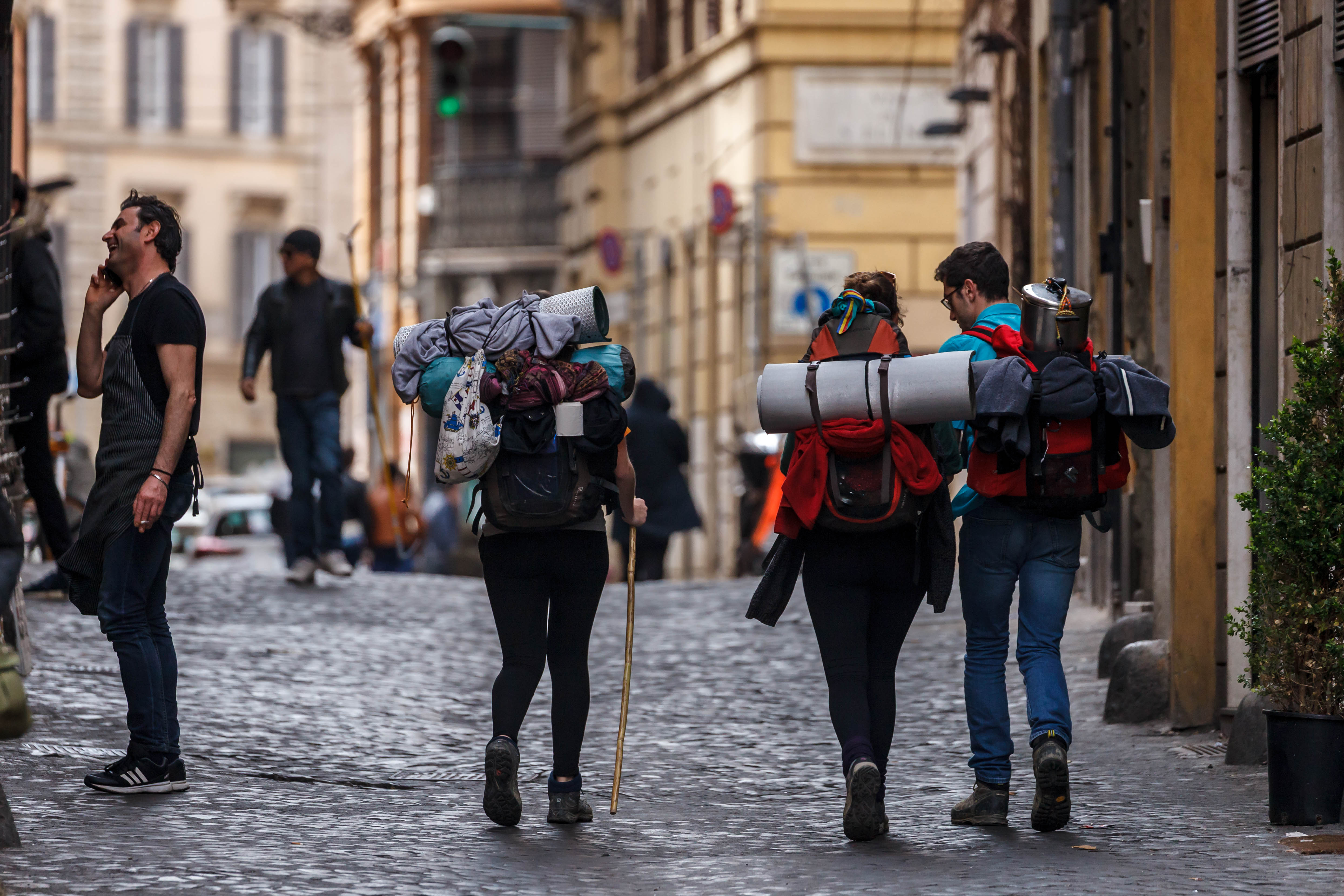
From our experience, churches flourish when they understand their identity as sending churches and see their participation in God’s global mission not as an additional activity, but as a core part of who they are. As soon as sending is separated out, it easily becomes a side project. Something supported when time and resources allow. But when sending is integrated into the vision itself, it begins to shape the culture of the church from the inside out.


This is not driven by strategy alone. It is rooted in the gospel.


At the heart of the Christian faith is self giving love. Jesus did not preserve himself for his own sake. He gave himself so that others might live. That same pattern shapes the Church. Kingdom mindedness means we do not ask only what we need in order to be comfortable or secure. We ask how what God has entrusted to us can serve others.


Acts 1:8 captures this movement clearly. Witness that begins locally and extends outward. Not as a replacement of the local, but as its natural extension. Formation and sending belong together.


This is why a healthy church does not keep what it has received only for itself. It shares the blessing. It understands that what God is doing locally is always meant to overflow for the sake of others.


In practice, this way of thinking often raises honest questions within a congregation. Why are we investing time and energy beyond our own community. Why are we helping others. Why are we developing structures that serve more than our immediate needs. These questions are understandable, especially when the work feels new or different.


In our own context, this journey did not begin as a project. Over many years, churches and leaders repeatedly approached us asking for help. Help with multiplication. Help with leadership formation. Help with short term mission done well and integrated meaningfully into church life. Within our own church, people saw that short term mission could be practiced wisely and fruitfully, and they began asking how they could be part of that as well.


What began organically eventually required intentional stewardship. Not because the work changed, but because the responsibility grew. Systematizing how we help others is not about expansion or control. It is about faithfulness. It allows what has been learned to be shared more clearly, more consistently, and more helpfully with others who are asking similar questions.


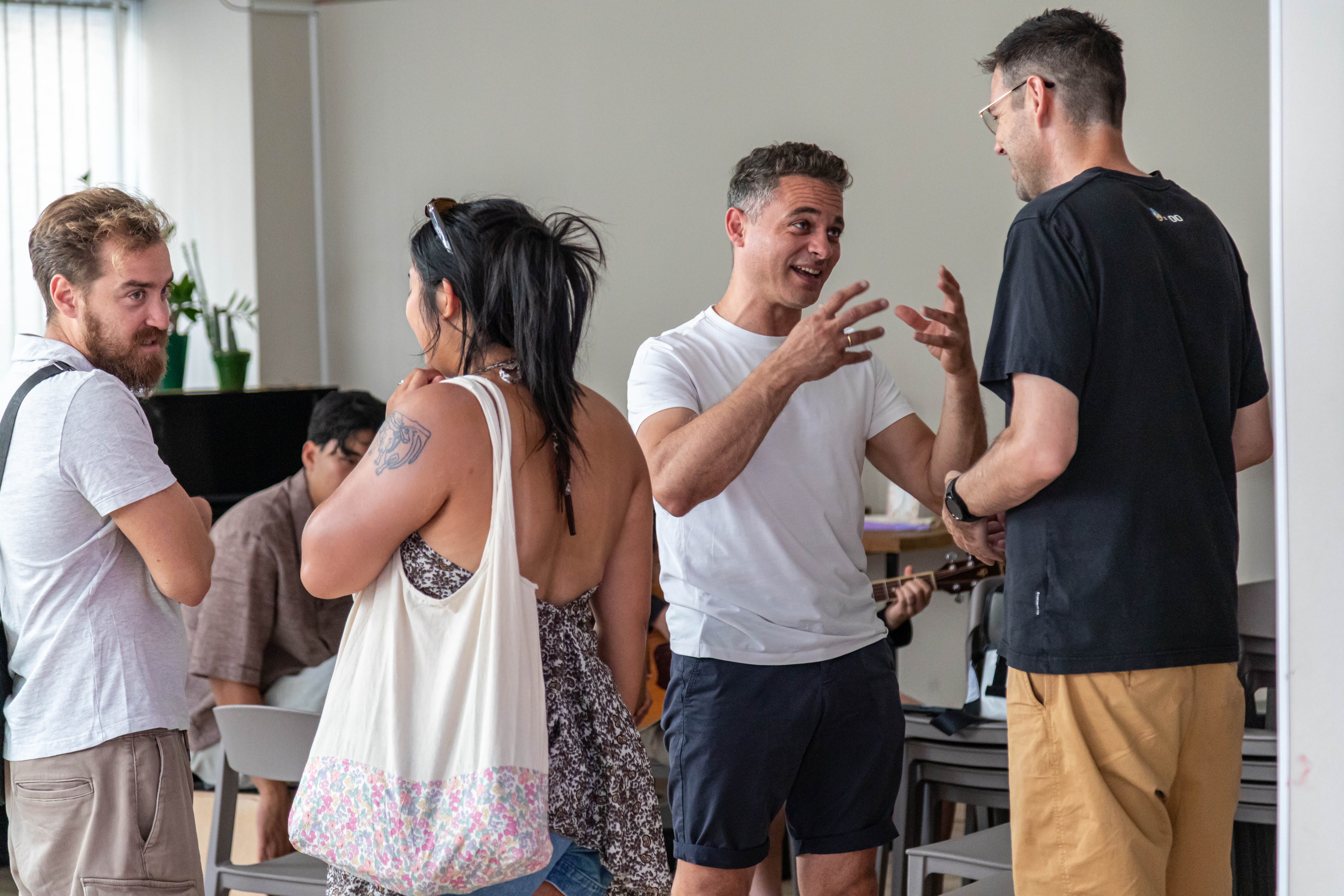
Every church has the opportunity to grow in this way. This is not unique to one organization, one network, or one context. But churches often need language, structure, and trusted companions to walk this path. This is where Disciples Without Borders serves. Not as the center of the story, but as a guide alongside churches who are discerning how to become healthy, sending, and multiplying communities in their own contexts.


This work also shapes the next generation of leaders. If a church is to remain healthy beyond the current leadership, the vision must be understood and carried forward intentionally. Vision does not endure by accident. It lasts when it is articulated clearly, embodied consistently, and passed on faithfully.


Over time, we have learned that clarity simplifies. What initially feels complex becomes accessible when language is refined and purpose is named. A clear vision helps a congregation understand why it does what it does. It also gives other churches something to engage with without having to begin from zero.


The church as a mission field.


Formed inwardly and sent outwardly.


Faithful locally and engaged globally.


This is not an idealized picture. It is a realistic path toward long term health, generosity, and gospel faithfulness.

Get updated by subscribe

to our newsletter

订阅我们的通讯获取新闻

我们的地址

法兰克福,德国

info@discipleswithoutborders.org

© 2025 Disciples without Borders

Get updated by subscribe

to our newsletter

订阅我们的通讯获取新闻

我们的地址

法兰克福,德国

info@discipleswithoutborders.org

© 2025 Disciples without Borders

Get updated by subscribe

to our newsletter

订阅我们的通讯获取新闻

我们的地址

法兰克福,德国

info@discipleswithoutborders.org

© 2025 Disciples without Borders