PATHWAYS

From Here to Everywhere. Together.

By Kelly Seely


What I am describing is not logistics.

It is not branding.

It is not centralization.


It is a sending architecture.


Over the last years, one pattern has become impossible to ignore. Churches increasingly desire to send. Leaders are discovering that sending is often one of the most effective ways to form people quickly and deeply. Young adults want exposure before long term commitment. Second generation believers want pathways that align with their lived reality. Short term teams want to matter. Pastors want sending that strengthens rather than drains the local church.


Most of our existing structures were not designed to hold all of that at once.


What Disciples Without Borders is building is a different kind of framework. Not a headquarters. Not a pipeline that extracts people. But a network of hubs where training, community, and real mission overlap in embodied ways.


We call them hubs because they are anchoring cities. But more importantly, they are launchpads.


The Big Idea


From here to everywhere. Together.


A DWB hub is a place where people can arrive, belong, learn, serve, discern, and then be sent well. Each hub exists for several purposes at the same time.


It is a place to train.

A place to receive.

A place to send.

A place to experiment.

A place to welcome the next generation.


No single hub does everything. But every hub does something real.


What Makes a DWB Hub a Hub


Every DWB hub carries five non negotiable elements.


1. A Training Core


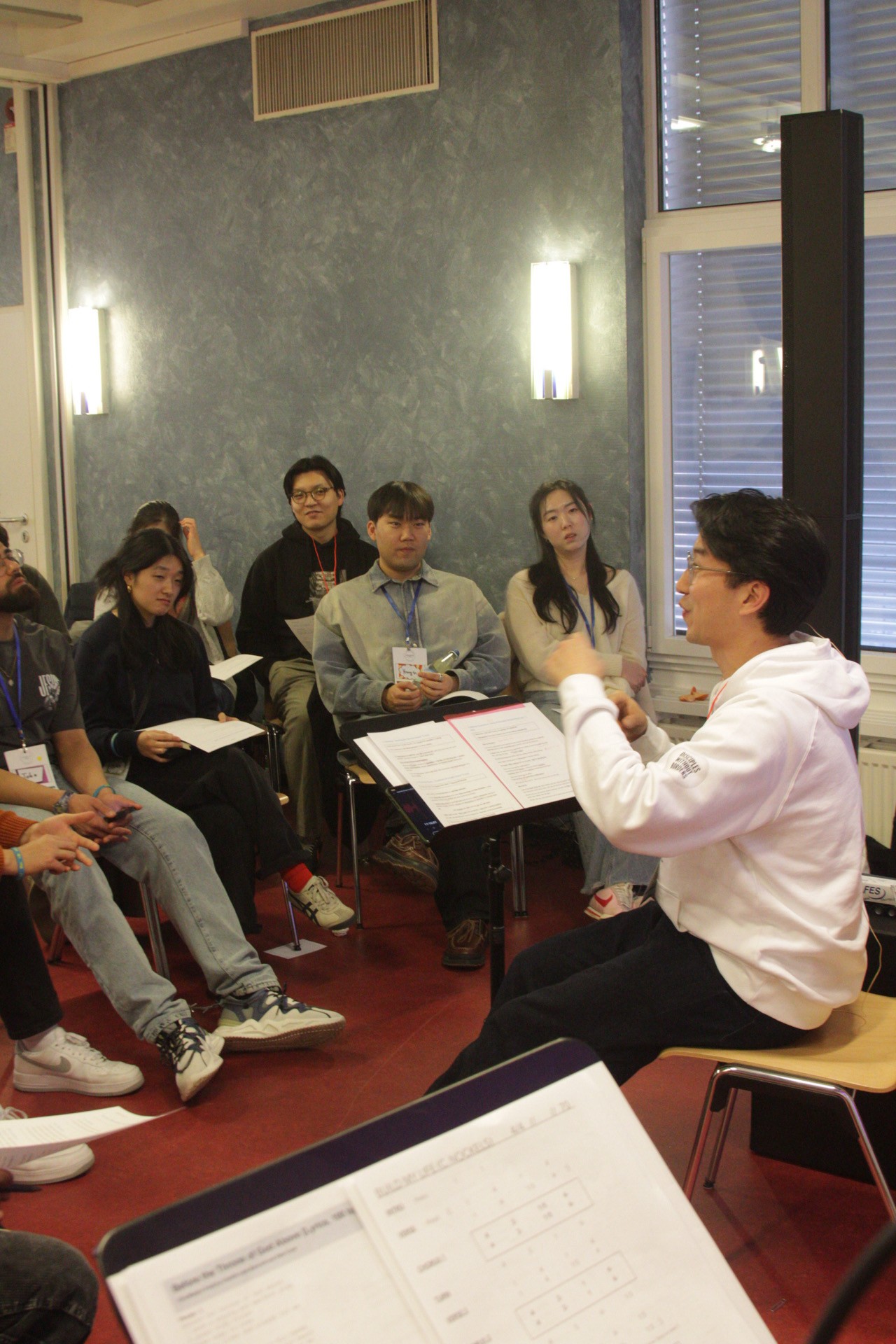
Each hub has a repeatable rhythm of formation. Not a one off course, but a lived cadence.


This includes mission foundations, urban and cross cultural practice, spiritual formation and resilience, and team based learning. This is where Launchpad training, TESOL pathways, and city labs actually live.


Training happens in context, not in abstraction.


2. A Local Mission Expression


Every hub is rooted in real ministry on the ground. Local churches. Ministry partners. Diaspora engagement. Mercy and presence. Evangelism in real neighborhoods.


This is not theory. It is practice.


People do not just learn about mission. They participate in it.


3. On Ramps for Participation


Hubs are intentionally porous. They are designed to receive people at different stages.


Short term learning experiences.

Internships.

Apprenticeships.

Visiting teams.

Exploratory vision trips.


The barrier to entry is low.

The clarity of expectation is high.


People know why they are there and what they are stepping into.


4. Multicultural Teaming


We do not send monocultures.


Hubs intentionally bring together Europeans, diaspora believers, global partners, and second generation leaders. People learn to serve across cultures not as a future idea, but as a daily reality.


Team formation itself becomes discipleship.


5. Sending Capacity


A hub is not successful if people only come.

A hub succeeds when people leave well.


To unreached peoples.

To strategic cities.

To partner teams.

To hard places.


Sending is not an add on. It is the outcome.


Why Hubs Solve Real Problems


This model does three practical things at the same time.


First, training becomes embodied. Formation happens in lived environments, not just classrooms.


Second, short term trips stop being random. They plug into something already alive, relational, and accountable.


Third, sending becomes believable. People say yes because they have seen it with their own eyes.


In a globalized world, calling often emerges through exposure rather than abstract appeal. Hubs create that exposure without chaos.


The Initial Hub Network


We are building this network intentionally and in phases. Not every hub plays the same role, but each one contributes something essential to the whole. Some hubs already function as full training centers. Others are emerging. A few are clearly on the horizon and are being pursued with prayer, patience, and partnership.


This phased approach is part of the design.


Frankfurt

European Training and Sending Anchor


Frankfurt currently functions as the primary European engine room. It is where Launchpad training, diaspora mobilization, second generation leadership development, and deep partnerships with German and US churches converge.


This is where systems are refined, leaders are formed, and sending capacity is strengthened for the wider network.


Lisbon

Iberian and Lusophone Training Hub


Lisbon already functions as a full fledged training center. Its connection to Brazil and the Portuguese speaking world, combined with its young global city energy, makes it a strategic location for leadership formation, internships, and multicultural team development.


Lisbon serves as both a training environment and a sending bridge into Iberian, Lusophone, and global contexts.


Brazil Coffee Region

Global South Partnership and Formation


Brazil represents one of the most mature relational partnerships in the network. It offers deep discipleship, leadership formation shaped by slower rhythms, and a rich Global South perspective that continues to shape how we think about resilience, joy, and faithfulness.


Brazil provides an essential counterbalance to Western efficiency and reminds us how the global church breathes.


Taiwan

East Asia Training and Sending Gateway (Emerging)


Taiwan is an emerging hub with growing clarity. Language immersion, TESOL as mission pathways, and access to the Chinese speaking world make it a natural training ground for East and Southeast Asia.


Taiwan is forming people for endurance, clarity, and long term service in complex contexts.


Athens

Gateway City for Europe and Beyond (Future)


Athens represents a future hub we are actively working toward. Its post Christian environment, urban density, and strategic location make it a powerful gateway for first cross cultural exposure, internships, and multinational team formation.


Athens is a place where many will first realize that long term mission is possible.


Japan

Long Term Faithfulness Context (Future)


Japan is also on the horizon as a future hub. It represents a context of deep discipleship, cultural intelligence, and long term faithfulness. It is a place where missionaries learn to labor with patience, humility, and sustained presence, trusting God’s work over time rather than demanding immediate outcomes.


Japan shapes leaders who are formed for the long road and grounded in confidence in the enduring power of the gospel.


Rethinking Short Term Teams


In this framework, short term teams are no longer events. They are chapters.


Each hub offers clear expectations, local mentors, defined learning outcomes, hands on service, and spiritual processing.


People leave changed and wanting more.


Internships and Apprenticeships


Hubs allow us to say something concrete.


Come for three months.

Stay for six.

Discern a year.

Prepare for long term sending.


With structure. Coaching. Real ministry. Community life.


This is how calling matures.


Multicultural Sending Teams


One of the strongest fruits of hubs is the formation of multicultural teams.


Germans serving with Brazilians.

Taiwanese serving with Europeans.

Second generation leaders leading first generation teams.


The Kingdom is modeled as it is preached.


What Comes Next


Not everything at once.


The next steps are faithful and simple. Formally name the first hubs. Clarify one clear training rhythm per hub. Build one repeatable short term pathway. Tell the story simply and often.


We build slowly.

We send faithfully.

We go together.


This is not about ownership.

It is about stewardship.


And stewardship is the soil in which sustainable mission grows.

Get updated by subscribe

to our newsletter

订阅我们的通讯获取新闻

我们的地址

法兰克福,德国

info@discipleswithoutborders.org

© 2025 Disciples without Borders

Get updated by subscribe

to our newsletter

订阅我们的通讯获取新闻

我们的地址

法兰克福,德国

info@discipleswithoutborders.org

© 2025 Disciples without Borders

Get updated by subscribe

to our newsletter

订阅我们的通讯获取新闻

我们的地址

法兰克福,德国

info@discipleswithoutborders.org

© 2025 Disciples without Borders